Research and innovation

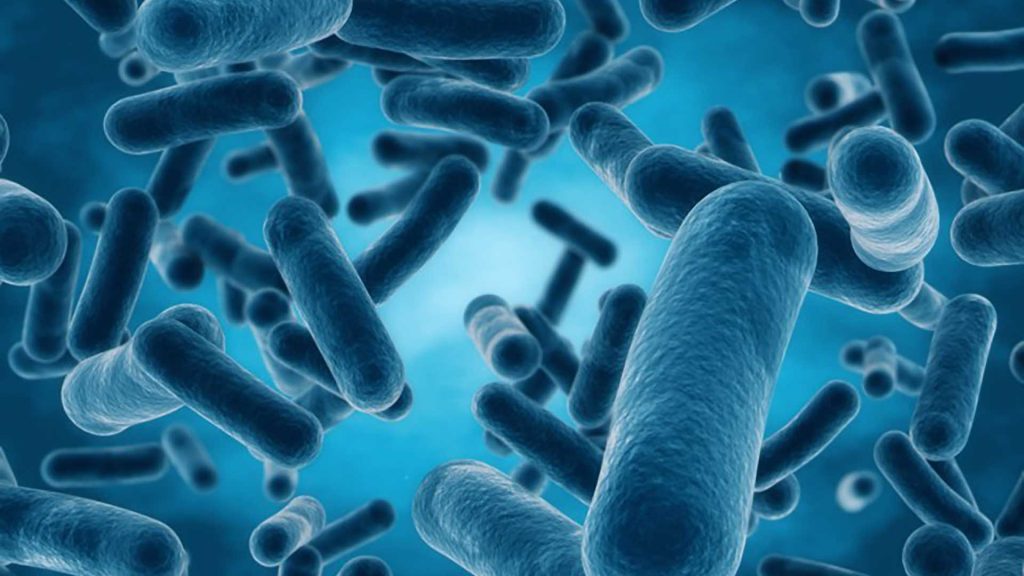
Improving the ruminal microbiome to increase feed utilisation and reduce the need for in-feed antibiotics.

We work with globally recognised researchers and institutions to develop innovative technology that:

increased efficiency

Increases livestock rumen efficiency to improve nutrient uptake

WEB ProAgni Time

Safely reduces induction time and risks and lower mortality

WEB ProAgni Antibiotic Free

Replaces the use of in-feed antibiotics in livestock production systems and reduce the global impact of antibiotic resistance

every dollar counts 10

Supports sustainable, safe and profitable livestock farming systems

ProAgni research and development

Our research is supported by leveraged, non-dilutive funding through programs such as SAAFE CRC, FFAR Greener Cattle Initiative and Food Agility CRC.

r and d

Current Research

sheep feed

Minimal Fibre Diet in Commercial Feedlots

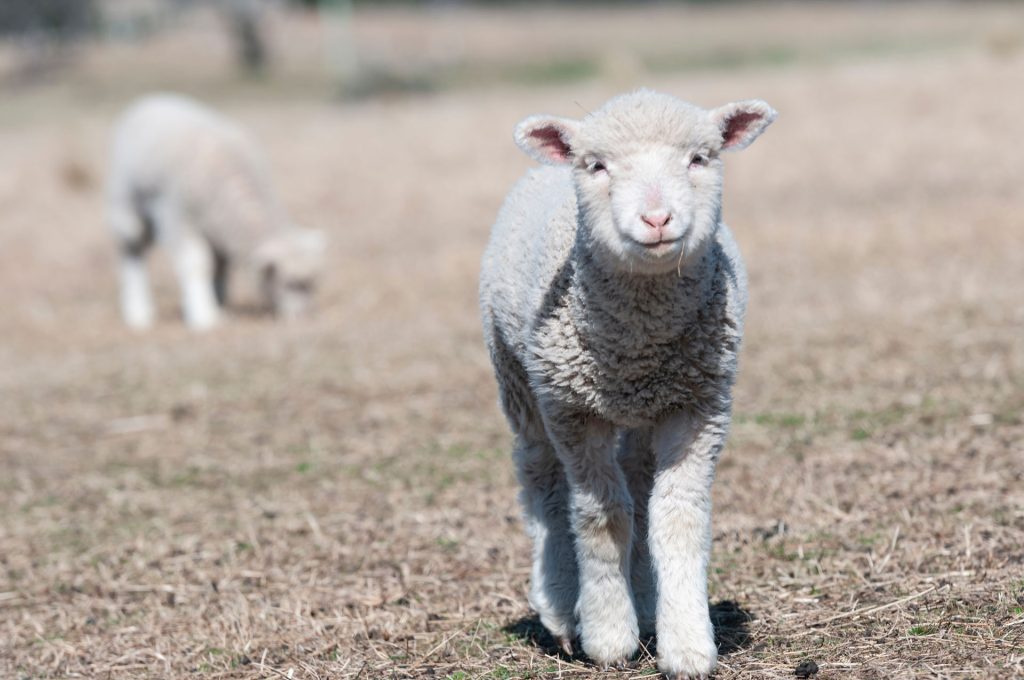
The Thomas Elder Institute conducted a lamb feeding trial in 2018 to evaluate the suitability

Probiotics image

Trials And Results: High Fermentable Diets, Antibiotic Free (ABF)

Our research project with West Texas A&M University (WTAMU) evaluated the effects of replacing a

scientist

Weight Gain and Carcass Yield with Monensin

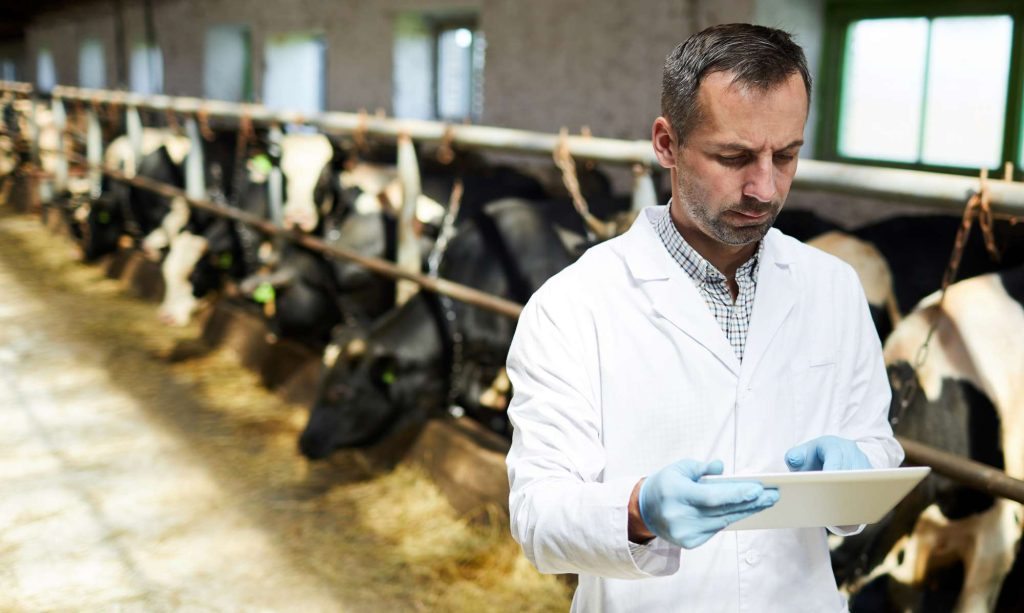
The aim of this research study was to quantify the effects on weight gain and

Our Scientific Community

University of Illinois seal.svg

Dr Roderick Mackie

Professor in Animal Science, University of Illinois

BSc, MS, PhD

UNSW Logo

Dr Francisco Trujillo

Chemical Engineering, UNSW

BSc. MS. and PhD Chemical Engineering

CSU 1 300x300 1

Dr Jane Quinn

Associate Professor in Veterinary Physiology, CSU Wagga

BSc, PhD

large logo

Dr Antoine van Oijen

Distinguished Professor, Molecular Horizons, University of Wollongong

BSc, PhD

CSIRO Logo.svg

Dr Netsanet Shiferaw Terefe

Principal Research Scientist, Department Agriculture and Food, CSIRO

BSc, MS, PhD

Dr Danyang Ying

Principal Research Consultant / Scientist, CSIRO

B Engineering, PhD Material Science

West Texas AM University seal.svg

Dr John Richeson

Professor of Animal Science, WTAMU

BSc, MS, PhD Animal Science

Dr Kendall Samuelson

Assistant Professor of Animal Science, WTAMU

BSc, MS, PhD Animal Science, Biochemistry

1200px University of New England   Logo.svg

Dr Roger Hegarty

Professor – School of Environmental and Rural Science, UNE

BAgrSc, PhD Ruminant Nutrition, GDEd

800px The University of California Davis.svg

Dr Matthias Hess

Associate Professor Hellman Fellow, UC Davis

BSc, MS, PhD Microbiology and Biotechnology

University of Queensland 1

Dr Athol Klieve

Honorary Associate Professor, Centre for Animal Science QAFFI

BSc, MS, PhD Rumen Microbiology

Queensland Government

Dr Diane Ouwerkerk

Principle Molecular Biologist, Department of Agriculture and Fisheries, QLD

BSc, MS, PhD Molecular Biology

UN SDG Title 2

ProAgni is committed to the UN’s Sustainable Development Goals

E SDG Icons 02

Target 2.4

By 2030, ensure sustainable food production systems and implement resilient agricultural practices that increase productivity and production, that help maintain ecosystems, that strengthen capacity for adaptation to climate change, extreme weather, drought, flooding and other disasters and that progressively improve land and soil quality
E WEB Goal 03

Target 3.9

By 2030, substantially reduce the number of deaths and illnesses from hazardous chemicals and air, water and soil pollution and contamination.
E WEB Goal 12

Target 12.2

By 2030, achieve the sustainable management and efficient use of natural resources
E WEB Goal 12

Target 12.8

By 2030, ensure that people everywhere have the relevant information and awareness for sustainable development and lifestyles in harmony with nature.
E WEB Goal 13

Target 13.3

Improve education, awareness-raising and human and institutional capacity on climate change mitigation, adaptation, impact reduction and early warning.
E WEB Goal 15

Target 15.3

By 2030, combat desertification, restore degraded land and soil, including land affected by desertification, drought and floods and strive to achieve a land degradation-neutral world.